
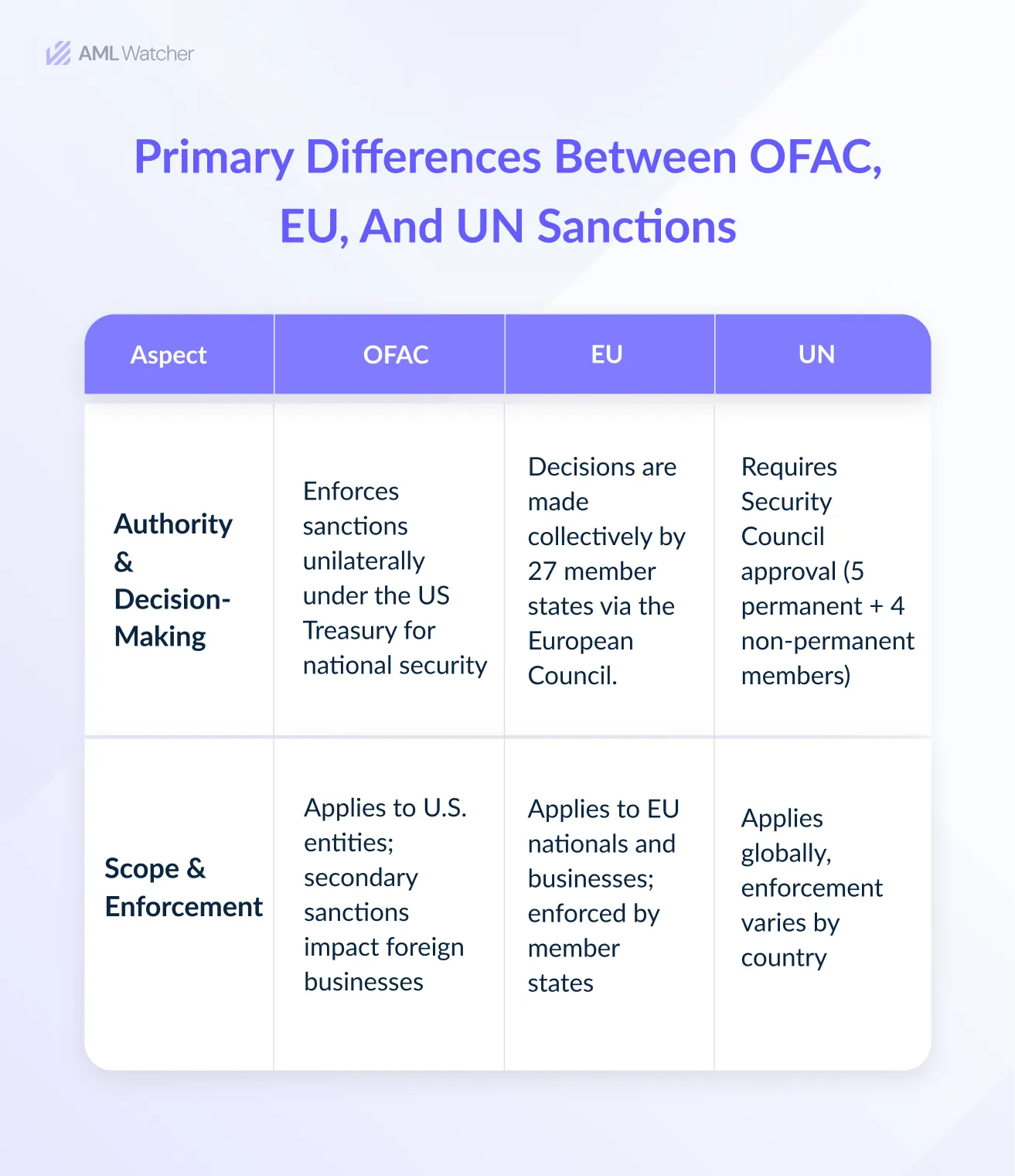
Understanding OFAC Sanctions List Countries
The Office of Foreign Assets Control (OFAC) is a division of the United States Department of the Treasury that administers and enforces economic and trade sanctions based on U.S. foreign policy and national security goals. Sanctions can vary from country to country, and understanding these regulations is crucial, especially for businesses engaging in international trade. This article explores the OFAC sanctions list countries, the rationale behind these sanctions, and how global businesses can comply with these regulations effectively. For a comprehensive guide, visit OFAC sanctions list countries https://reyman.net/pages/ofac-sanctions-list-countries-full-guide.html.
What Are OFAC Sanctions?
OFAC sanctions can be broadly categorized into two types: comprehensive sanctions and targeted sanctions. Comprehensive sanctions prohibit all economic activity with a particular country, while targeted sanctions focus on specific individuals, organizations, or sectors, allowing other forms of trade to continue. These sanctions are typically imposed in response to violations of international law, support for terrorism, human rights abuses, or threats to U.S. national security.
Countries on the OFAC Sanctions List
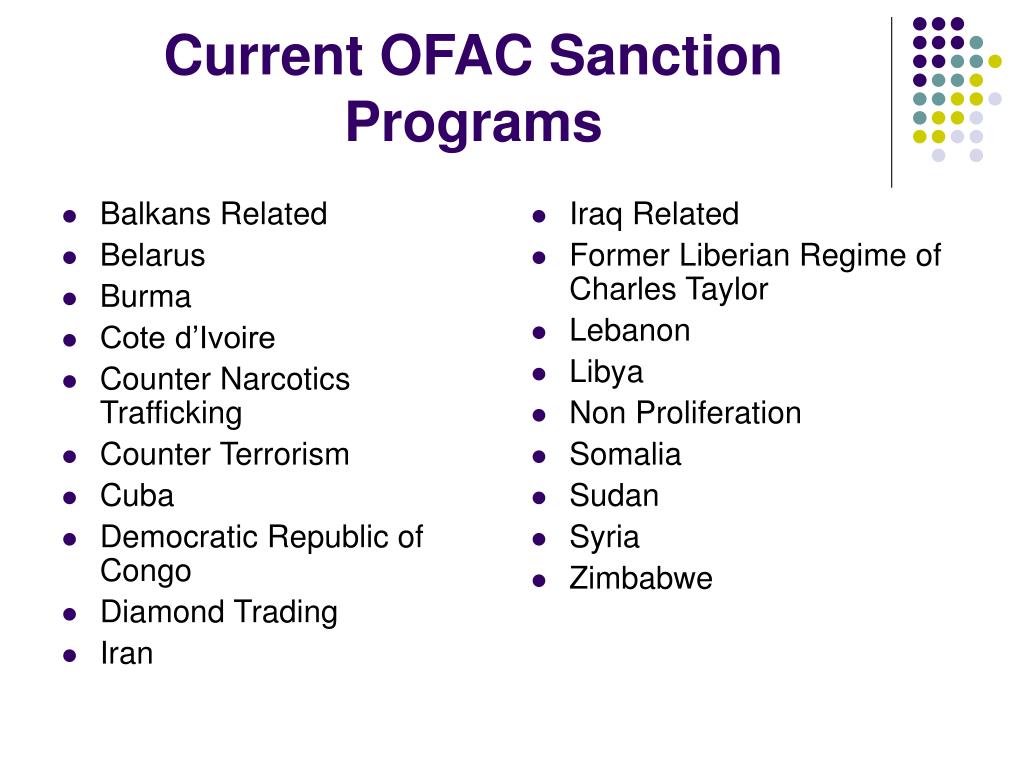
The OFAC sanctions list includes multiple countries worldwide. Notable countries typically feature on this list include:
- Iran: Sanctions are in place due to the country’s nuclear program and support for terrorism.
- North Korea: The primary driver behind sanctions here is the regime’s nuclear weapons development and aggressive military posture.
- Cuba: Sanctions are rooted in long-standing political disagreements and human rights violations.
- Syria: Sanctions target the government due to its support of terrorism and involvement in regional conflicts.
- Russia: Recent sanctions have been enacted in response to aggressive actions in Ukraine and other regions.
Implications of Sanctions
The implications of being listed on the OFAC sanctions list can be severe. Financial institutions are generally prohibited from engaging in transactions or partnerships with sanctioned entities, which can lead to limited access to the global financial system. Furthermore, companies that inadvertently conduct business with sanctioned countries may face hefty penalties, including fines and restrictions on their operations.
Com

pliance for Businesses
For businesses operating in international markets, compliance with OFAC regulations is crucial. Here are key steps that can help ensure compliance:
- Conduct Regular Screening: Regularly update your database by screening customers and suppliers against the OFAC sanctions list. This can prevent potential transactions with sanctioned entities.
- Implement Strong Internal Controls: Establish clear policies and training programs for employees to understand and comply with OFAC regulations.
- Consult Legal Experts: Engage legal counsel with expertise in international trade law to navigate complex compliance issues effectively.
- Document All Transactions: Maintain thorough records of all transactions to demonstrate compliance efforts and for potential audits.
Conclusion
Understanding the OFAC sanctions list is pivotal for businesses that aim to operate globally without legal repercussions. The sanctions can vary significantly by country and sector, making it imperative for companies to stay informed and proactive in their compliance efforts. For detailed insights and resources regarding specific countries and additional compliance strategies, refer to this guide. By taking appropriate steps, businesses can navigate the complexities of international sanctions while safeguarding their operations and reputations.